

This article may not be reproduced in any form, print or digital, without express written permission from the author, Mary Pat Whaley, copyright 2004, 2026. This article first appeared in 2004 in the North Carolina Button Bulletin.
by Mary Pat Whaley
I don’t know why certain buttons and certain materials speak to each of us, but I have always had a special place in my heart for acrylic. Maybe it’s the space-age look and feel that reminds me of my youth in the 1960s. Maybe it’s the fascinating illusion of acrylic’s light-reflecting power that causes one to look twice to see if the colors and the carvings are on the front, on the back, or in the middle of the button. Acrylic has the power to become glass, water, ice, a mirror, or a tiny world within a world. It has the power to create buttons sleek and simple, or colorful and complex.
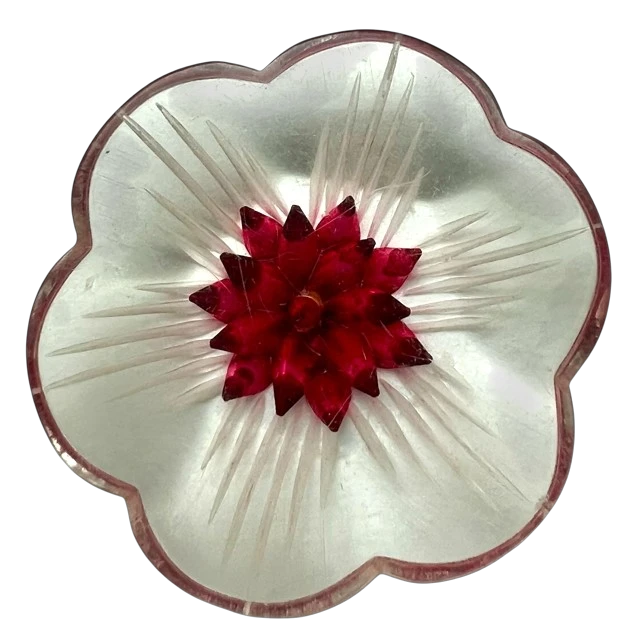
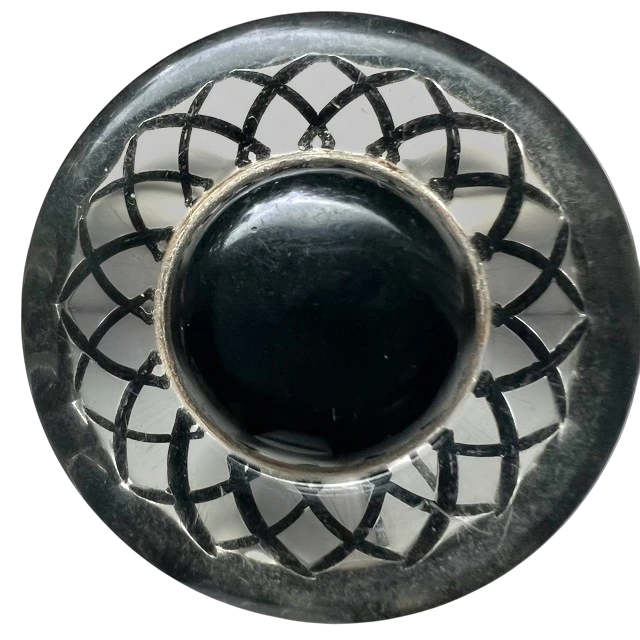
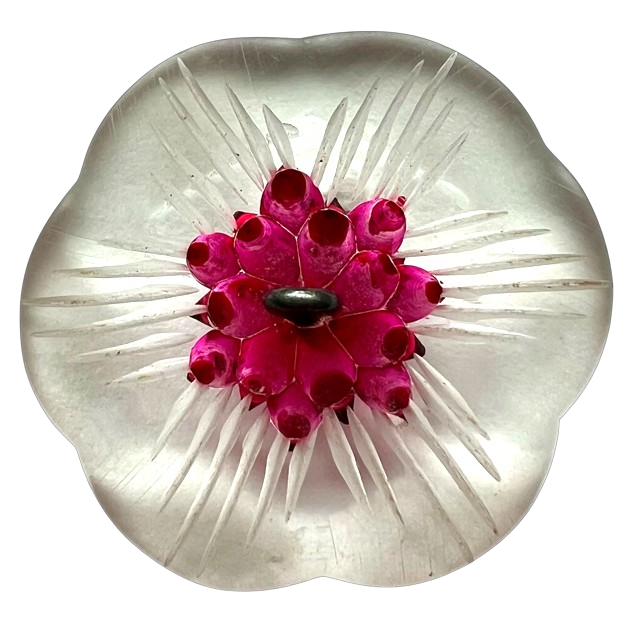
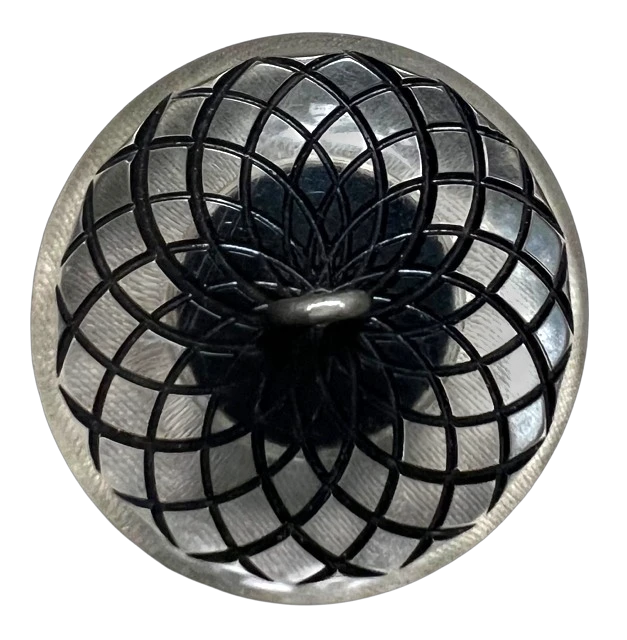
Lucite is the best-recognized trademark name for the acrylic, polymethyl methacrylate. Discovered at the turn of the century by Dr. Otto Rohm in Germany, it was first manufactured in the United States in 1936 by Rohm & Hass Company under the trade name Plexiglass. DuPont developed the same polymer, introducing the name Lucite in 1937, and the future changed for waterproof watches, aircraft canopies and windows, boat windshields, automobile stoplights and taillights, camera lenses and medical devices.
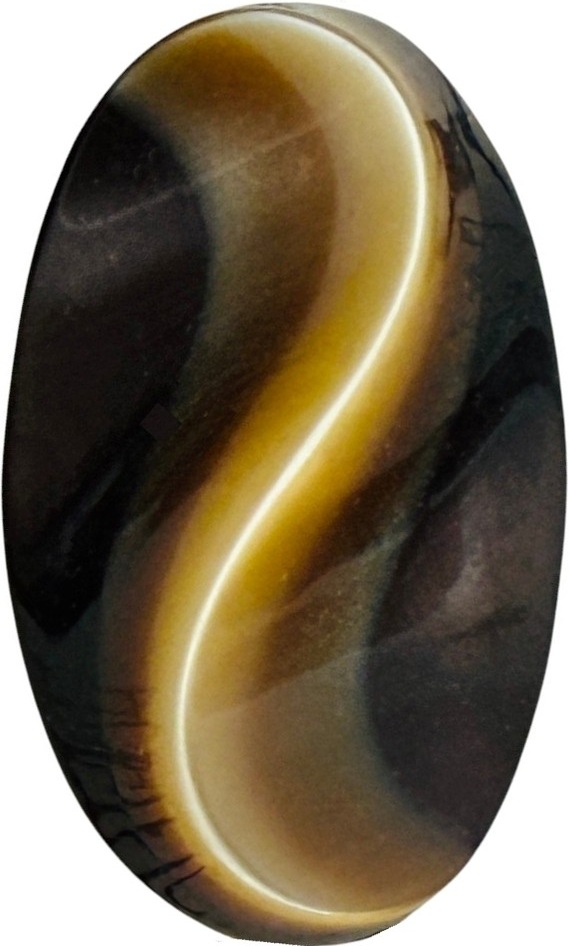
Other names for polymethyl methacrylate are Uvex, Perspex, Crystallite and Pontalite (DuPont’s forerunner to Lucite). Many collectors identify all high-quality colorless plastic as Lucite (just as we call all tissues “Kleenex”).
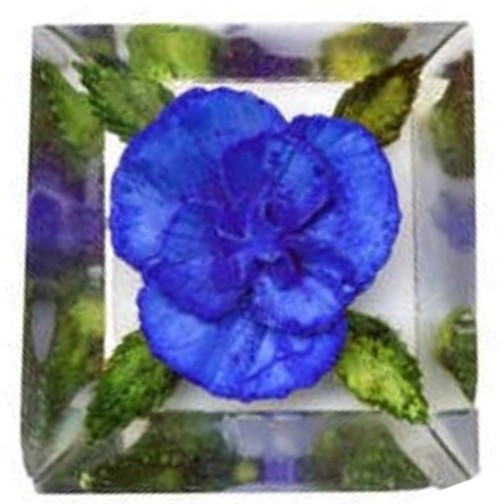
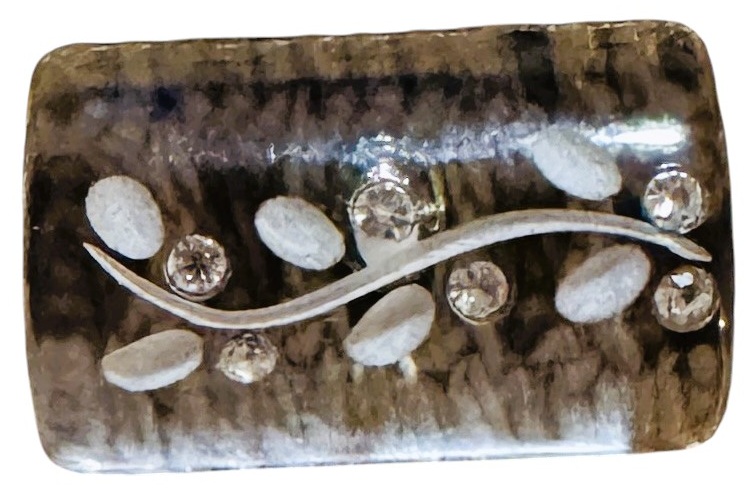
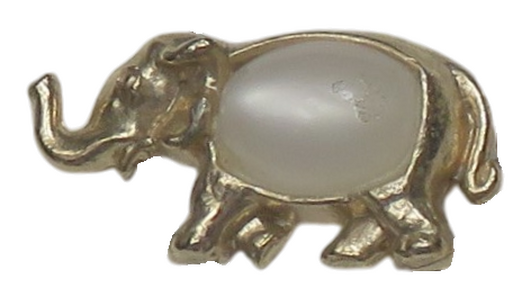
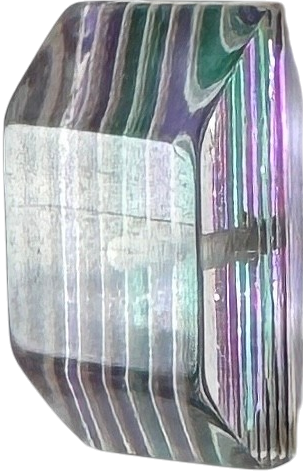
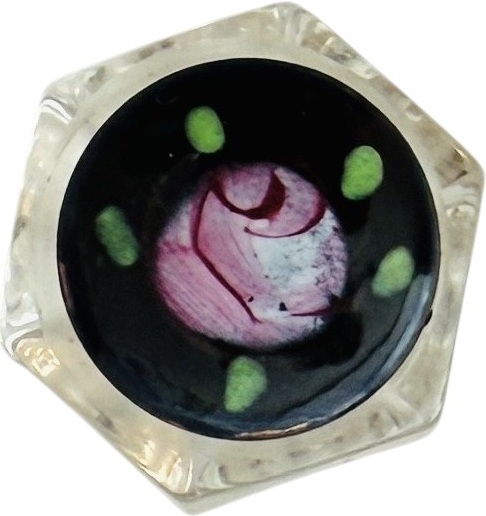
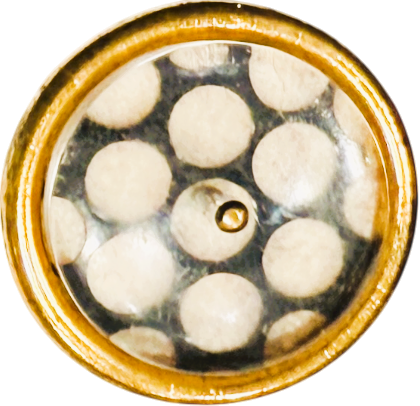
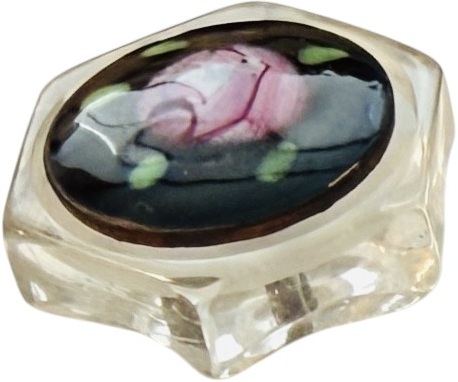
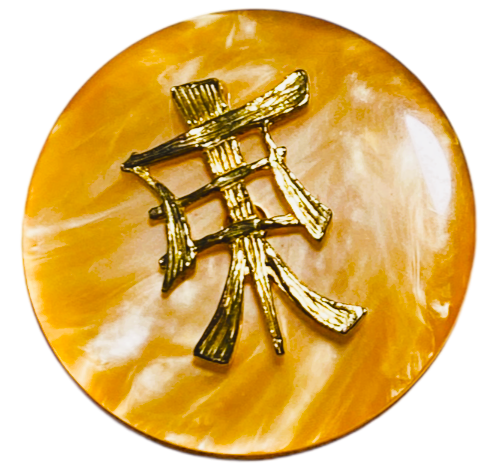
It is important to remember that there are several other plastics that can be clear colorless as well. Some collectors may find it more challenging to identify acrylic resin in its colored translucent or opaque forms. Especially confusing is pearlescent opaque acrylic, like the laminated acrylic button above. The most common pearescent acrylic is the much sought after “Jelly-Belly” – acrylic imitating jewel cabochons and set in metal. These can look just like similar buttons holding pearlescent glass.
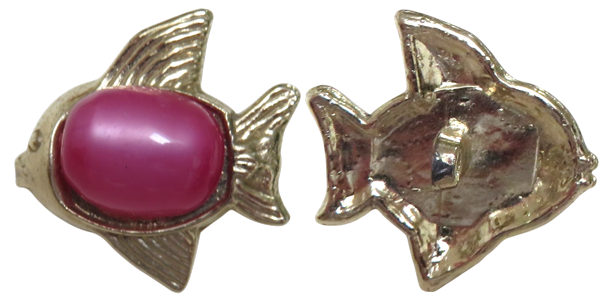
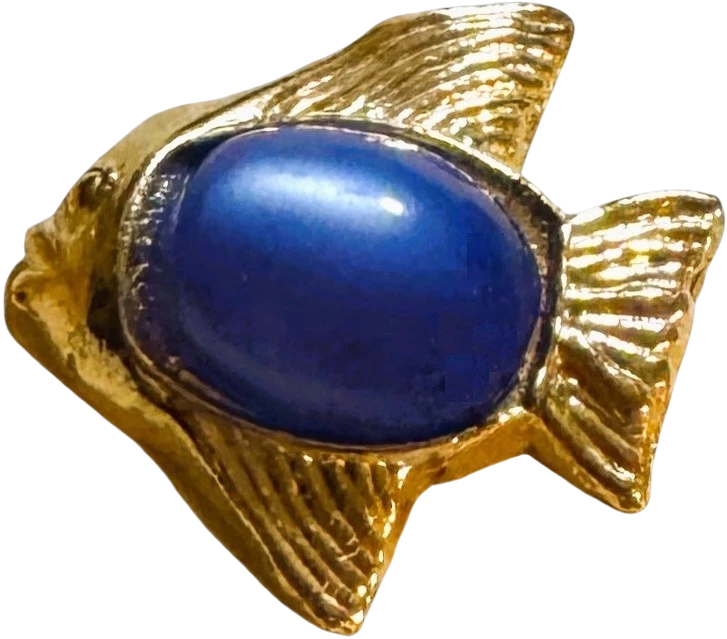
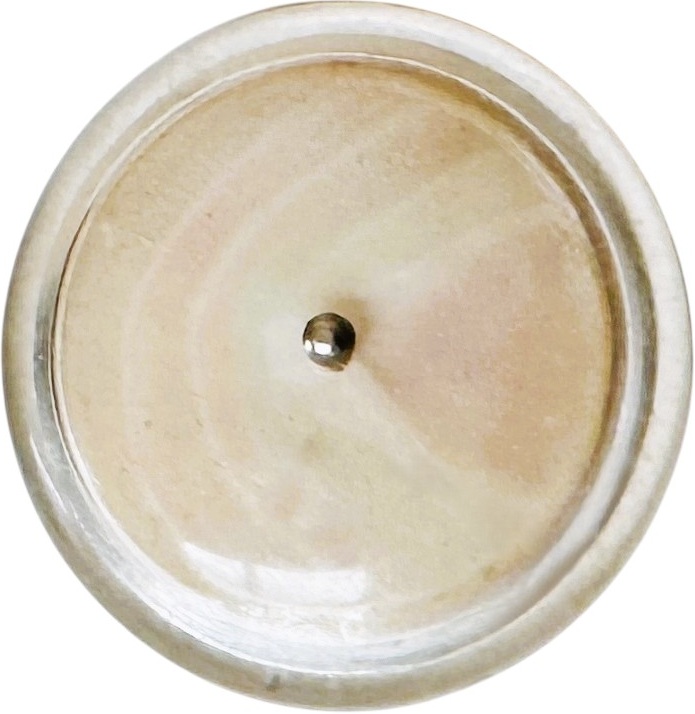
According to the NBS Synthetic Polymer Handbook, acrylic “has always been valued for its strength and clarity. It doesn’t yellow with age and is moisture resistant.” The non-yellowing feature is one way to tell acrylic apart from other plastics. The Handbook goes on to describe hot needle testing as the only sure way to identify an acrylic resin. Such testing produces “an overripe fruity odor, reminiscent of nail polish remover (acetone).” As acrylic in its most common crystal-clear form is readily identifiable, testing may nor be necessary. Testing can be dangerous to your acrylic button if not performed with a light hand, as the hot needle may create a tunnel in your button leaving a visible melt mark in the plastic.
Acrylic is the chemical synthesis of petroleum, coal, air and water, which produces a clear, colorless liquid for casting. It can also be processed into molding powder for compression molding and translucent or opaque colored sheets, rods or tubes, which can be machined, shaped, cemented and polished. In the 1950s, purses and purse handles, paperweights, jewelry, key chains, awards, letter openers and buttons were made from acrylic. Recently in the fashion world, there seems to be a renewed interest in plastics, and acrylic is used for body piercings, heels on platform shoes, and jewelry.
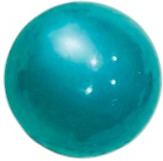
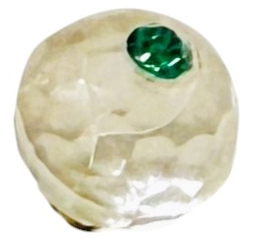
Acrylic buttons come in all sizes, from the double-shanked big reverse ccarved coat buttons to this tiny diminutive pearlescent green button for doll clothes.
Acrylic is a thermoplastic material, meaning it melts under heat (approximately 200-300 degrees Fahrenheit) and/or pressure. It was revolutionary when introduced in the 1930s as it was lighter yet stronger than previous plastics and demonstrated excellent water and UV resistance. Probably named Lucite because of its luminescent properties, acrylic can reflect light within its surfaces and carry a light beam around bends and corners, transmitting light in the same manner as a pipe carries water. These attributes make acrylic ideal for magnifying glasses, eyeglasses, and optical lenses that “see” inside the human body.
Buttons and products with reverse carving—also called interior carving or internal carving—were introduced and welcomed by the public. The technique of reverse carving is accomplished by drilling the underside of the material while viewing the results through the top of the piece. After drilling is complete, the artisan may choose to sand the white edges left by the drill and paint the carving. A separate piece of clear or colored acrylic may also be adhered to the carved piece to give the carving a solid background.
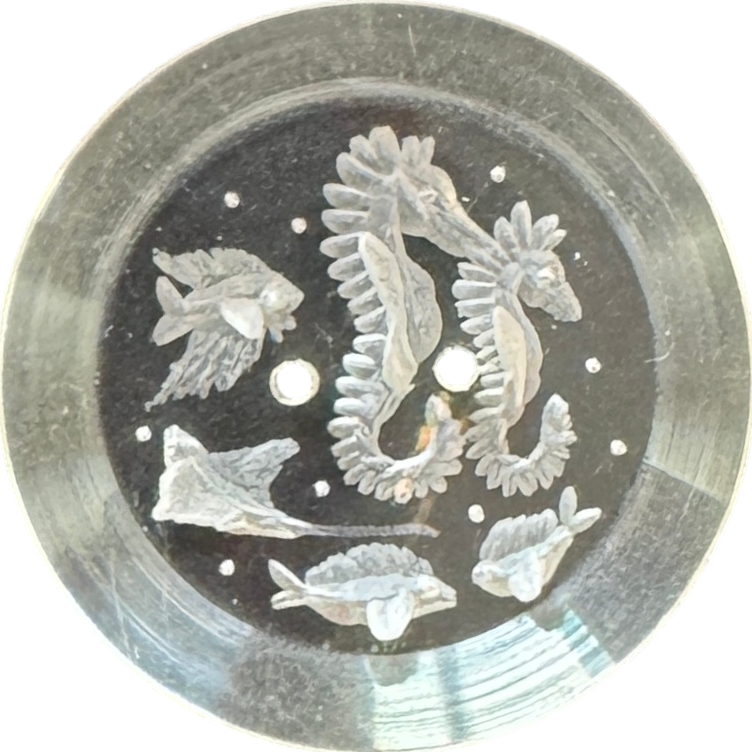
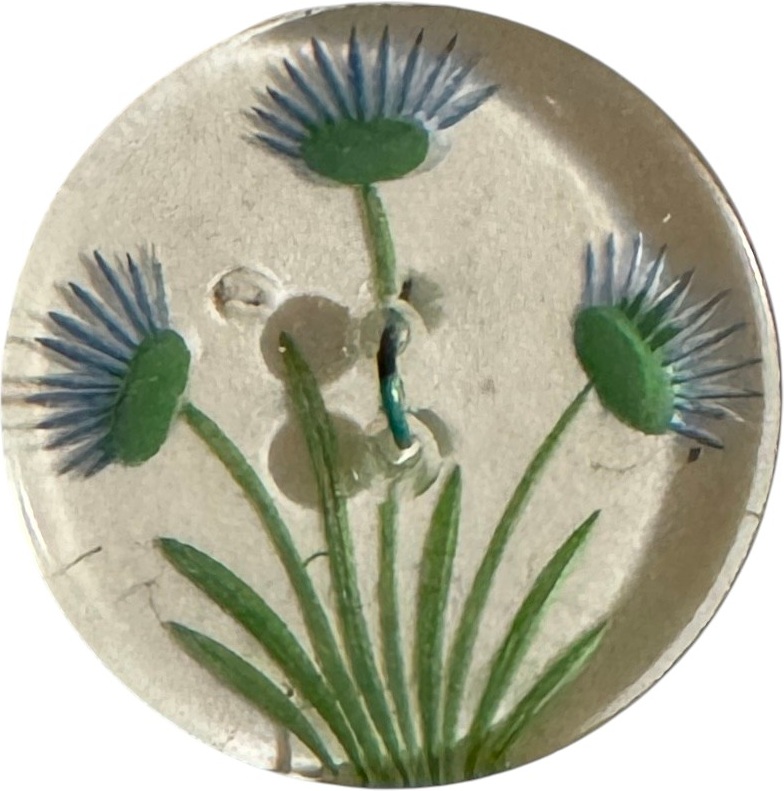
The distinction between hand-carved and machine-carved buttons can typically be made based on the depth of the carving. More recent machine carving is shallow, while earlier hand carving may be as deep as one-third the thickness of the acrylic.
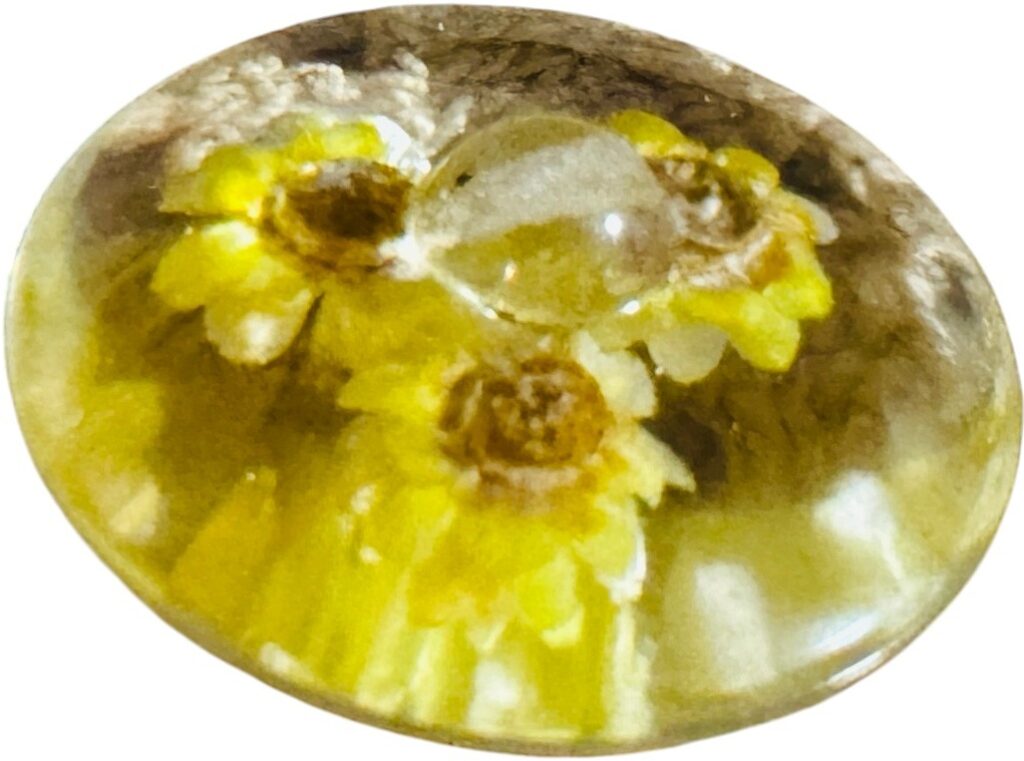
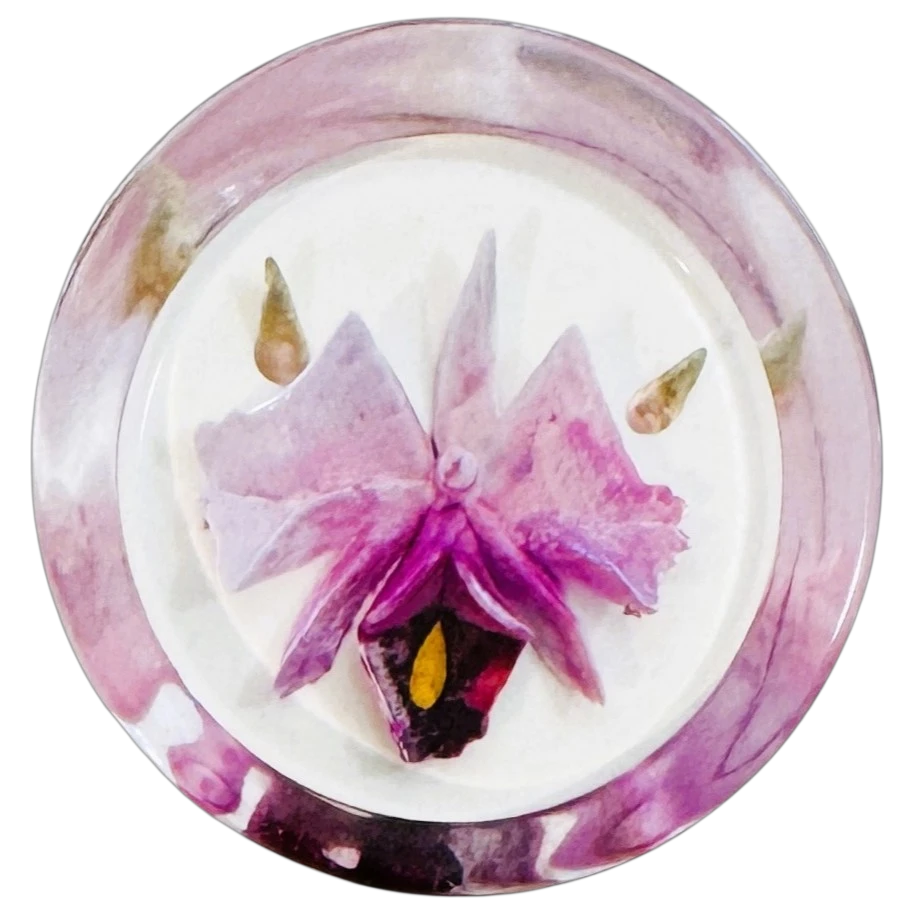
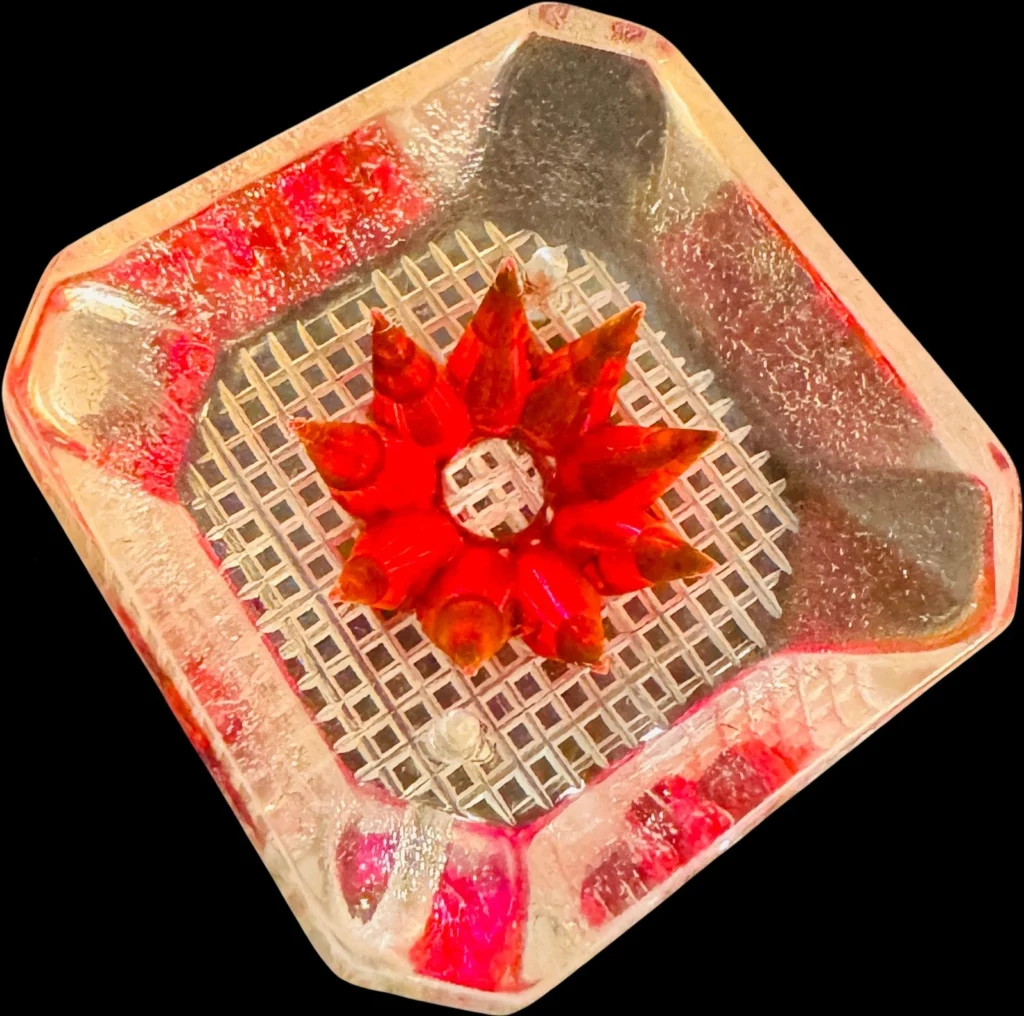
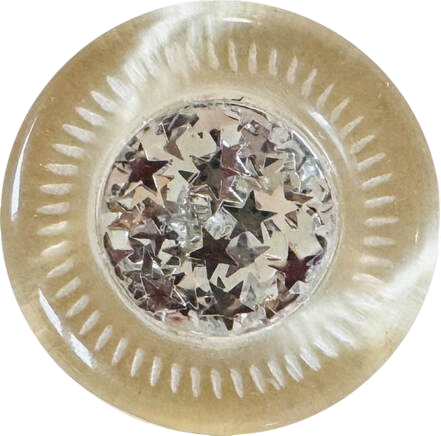
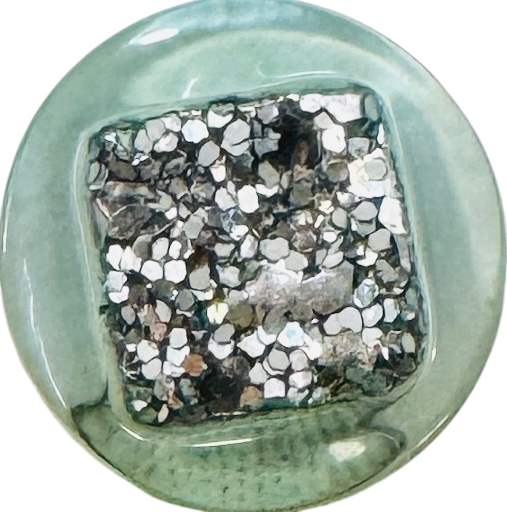
Commercially produced acrylic buttons from the 1950s, both machine and handmade, are believed to have come primarily from Japan and Europe. The clarity of acrylic is the key to the three-dimensional scene that emerges from the button crafted with reverse carving. Another Lucite treatment is embedding, where particles are inserted into a compression-molded button, or objects are inserted into a liquid acrylic.
Additionally, for buttons acrylic is also used as a shield or a frame, where an object is inserted as an inlay. Acrylic has been set in metal, combined with phenolic (Bakelite) as well as casein, and has been enhanced with metal, pearl, enamel, pastes and other materials.
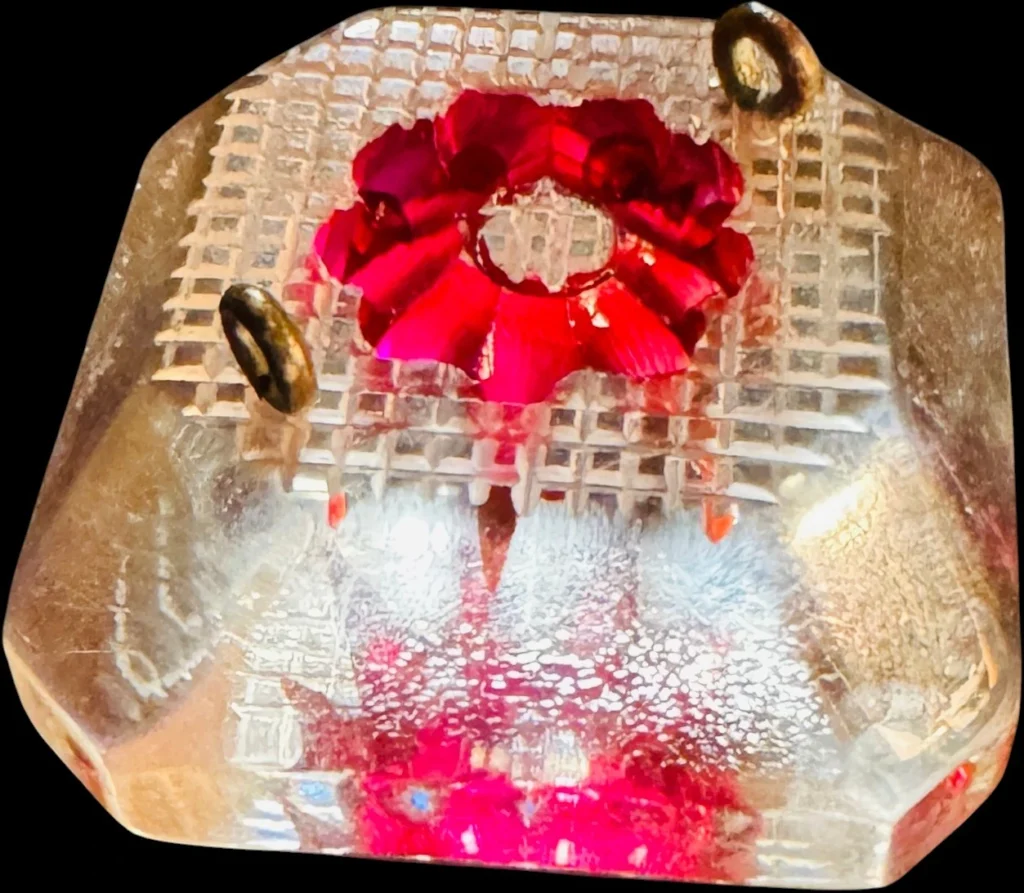
Commercially produced acrylic buttons from the 1950s, both machine and handmade, are believed to have come primarily from Japan and Europe. The clarity of acrylic is the key to the three-dimensional scene that emerges from the button crafted with reverse carving. Another Lucite treatment is embedding, where particles are inserted into a compression-molded button, or objects are inserted into a liquid acrylic. Additionally, acrylic may also be used as a frame, where an object is inserted as an inlay. Acrylic has been set in metal, combined with phenolic (Bakelite) as well as casein, and has been enhanced with metal, pearl, enamel, pastes and other materials.
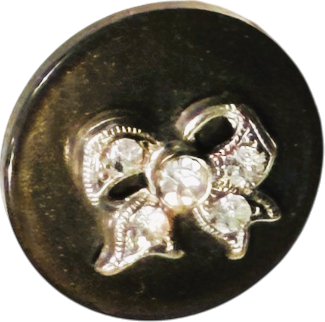
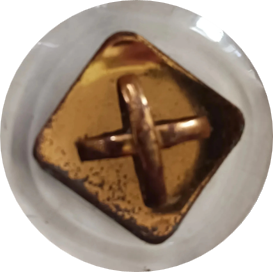
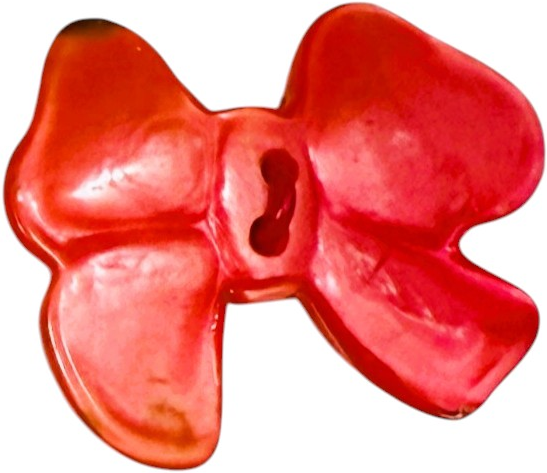
In the 1950s, acrylic shot (tiny balls) was available for small industry and crafter use in molds.
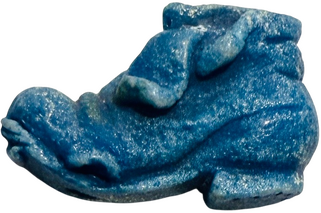
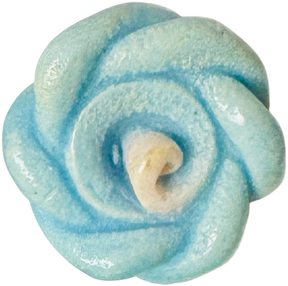
The surface of these buttons can be grainy and resembles molded wood, plaster, or dough — for which it is mistakenly identified.
The stylized flower and worn out old boot buttons below illustrate the typical surface appearance of the acrylic shot buttons. These have both been finished with a transparent finish in shades of blue and aqua.
Read more ….. Acrylic Part II: Artist David Lechleitner
